
REVIEW · PUERTO RICAN FOOD TOURS
Caribbean Food Experience
Your lunch starts in Piñones. I love the hands-on pace with Chef Mauro, and I especially like that you get to taste everything together, from homemade piña coladas to classic Puerto Rican plates. One thing to consider, though, is that this is a food-first workshop, not a long sightseeing route.
This 2-hour experience runs in a small group (up to 12), so you are not lost in the crowd. You will start and finish back at the same meeting spot in Piñones, which makes the whole plan feel simple and easy.
The vibe is relaxed, no pressure, and you can tell Chef Mauro enjoys teaching. Expect real island ingredients, practical techniques, and enough food and drink to make the time fly.
In This Review
- Key things to know before you go
- Piñones Cooking in San Juan: What This 2-Hour Tasting Really Is
- Finding the Meeting Point in Piñones (And Why It Matters)
- Meeting Chef Mauro: How the Class Stays Fun, Not Stiff
- Plantains, Sofrito, and Adobo: The Island Ingredients You’ll Actually Remember
- Piña Coladas You Make Yourself, Plus the Right Pace for Drinking
- Cooking and Eating Together: What’s on the Table
- Tostones Baskets and Quesitos: The Sweet-Savory Finish
- Price and Value: Is $89 Worth It for a Puerto Rico Food Class?
- Weather, Timing, and What to Do If Plans Change
- Who Should Book This Cooking and Tasting Tour in Piñones
- Should You Book This Puerto Rico Food Experience?
- FAQ
- How long is the Caribbean Food Experience in San Juan?
- Where does the tour start in Piñones?
- What kinds of dishes and drinks will I learn or taste?
- How large is the group?
- Is the ticket mobile?
- Is service animal access allowed?
- What happens if the weather is bad?
- Can the tour accommodate celiac or gluten-free needs?
Key things to know before you go
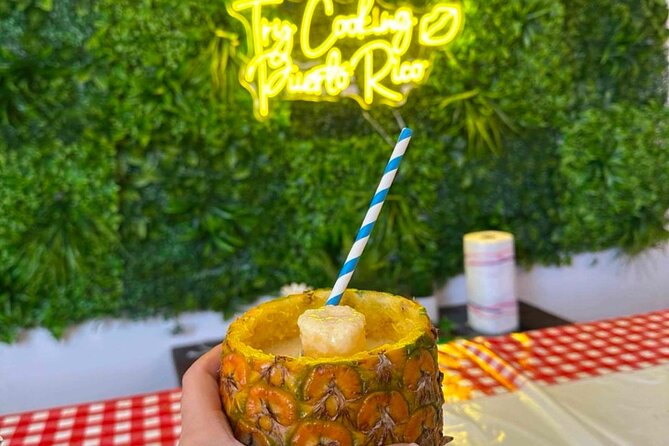
- Piña colada making, from start to sip so you do not just taste the drink, you learn how it comes together
- Sofrito and adobo fundamentals using the flavors Puerto Ricans build meals around
- Plantain classics including tostones and plantain-based dishes that make you rethink how you eat them
- Tostones baskets and quesitos sweet and salty highlights that feel both fun and authentic
- Small-group attention with Chef Mauro where you can ask questions without shouting over a bus
- A coastal Piñones setting that keeps you out of the most touristy feel
Still hungry? More Puerto Rican plates, reviewed
- Authentic Flavors of San Juan Food Tour★ 5.0 · 4,741 reviews
- Savor the Sunset: Old San Juan Walking Food Tour★ 5.0 · 559 reviews
- Morning Old San Juan Food Tour★ 5.0 · 233 reviews
- Boriken Flavor: Roast Pork Hwy, Rum Tasting, Loiza Fritters★ 4.0 · 56 reviews
Piñones Cooking in San Juan: What This 2-Hour Tasting Really Is
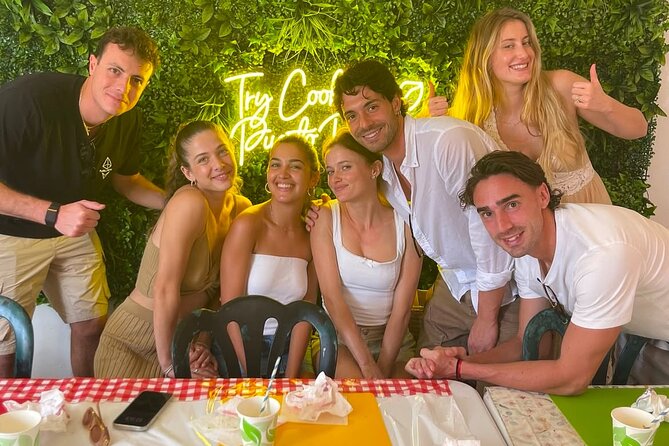
If you want Puerto Rico food without the stuffiness, this is the kind of class that makes sense. It is a small-group cooking and tasting tour in Piñones, right outside San Juan, where you learn by doing and then you eat what you make.
The core idea is simple: you are not watching a show. You are working through island staples like plantains, sofrito, and adobo, and you are putting them into dishes you can actually picture making back home. Then you get generous tastings, including drinks and classics like quesitos.
At $89 per person for about 2 hours, the value comes from the mix of hands-on cooking plus tastings. You are paying for instruction, food, and the cultural context, not just a plate at the end. If you are the type who eats first and asks questions later, you will love how much you learn while you are enjoying the meal.
One caution: because it is a compact experience, there is limited time for slow sightseeing stops. If you want a full-day tour with viewpoints, this may feel too focused on food.
Finding the Meeting Point in Piñones (And Why It Matters)
You start at Try Cooking Puerto Ricolado, opposite Centro Comunal Piñones, on PR-187 in Carolina, Loíza 00772. Then the tour ends right back at the meeting point.
That might sound minor, but it affects your whole mood. No awkward end-of-tour scramble, no wondering where you will be dropped. You can treat it like a self-contained lunch plan in Piñones.
Piñones also matters. The food culture here feels practical and lived in, not staged. The whole experience leans toward local technique and local flavors, and that comes through from the moment you arrive.
If you are coming from central San Juan, you will want to plan your transit so you are not rushing. Being on time helps you get the full class flow instead of stepping in mid-recipe.
Meeting Chef Mauro: How the Class Stays Fun, Not Stiff
Chef Mauro is a big part of why this tour works. People highlight how patient and supportive he is, and how easily he keeps the mood light while still teaching you what matters.
That balance is rare. In some classes, either the cooking is all business, or the fun is all noise. Here, you get both. You learn what goes into dishes like sofrito and adobo, but you also get humor, conversation, and that comfortable sense that you are cooking with someone who genuinely likes sharing.
A practical perk of a small group (up to 12): if you get stuck, you can ask. If you need the steps repeated, you can catch up. This is especially helpful if you are a total beginner, because you are not stuck trying to copy a moving target.
You will also notice the setup feels clean and organized, which makes it easier to jump in. Food classes are supposed to be hands-on, but they still need to be comfortable. Here, that matters.
Plantains, Sofrito, and Adobo: The Island Ingredients You’ll Actually Remember
Here is what I like most about this tour’s teaching approach. It focuses on the flavor builders instead of only teaching finished dishes.
You learn about plantains, sofrito, and adobo, which are three words you will see again and again in Puerto Rican cooking. Instead of treating them as vague “ingredients,” you learn the role they play.
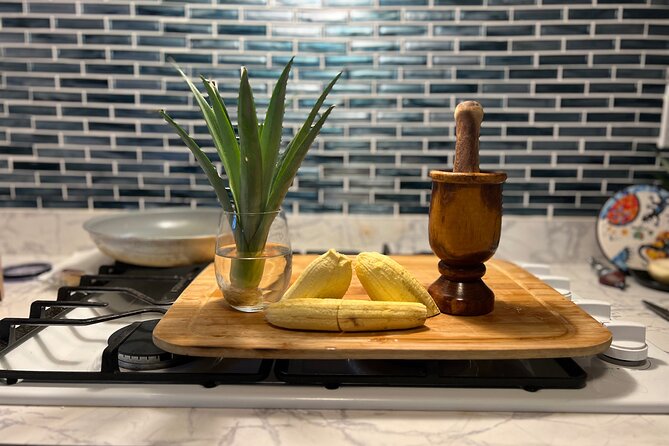
Plantains are the gateway. If you usually think of plantains as something you either love or avoid, this is where the tour helps you. You learn how they are cooked and how the flavors change depending on the technique. The class includes tostones, and many people come away surprised by how good plantains can be once they are cooked the Puerto Rican way.
Sofrito is the next step, because it is the flavor base for so many dishes. You do not just hear about it. You learn the idea behind it and how it shows up when you build a meal.
Adobo rounds out the savory side. It is part seasoning, part method, and it is one of those things that makes food taste like home cooking instead of just grilled or fried items.
And if you are the kind of eater who wants to understand why meals taste the way they do, this is your sweet spot. By the end, you have a mental map of how these ingredients connect to the dishes you are tasting.
More eating and drinking around the island

Piña Coladas You Make Yourself, Plus the Right Pace for Drinking
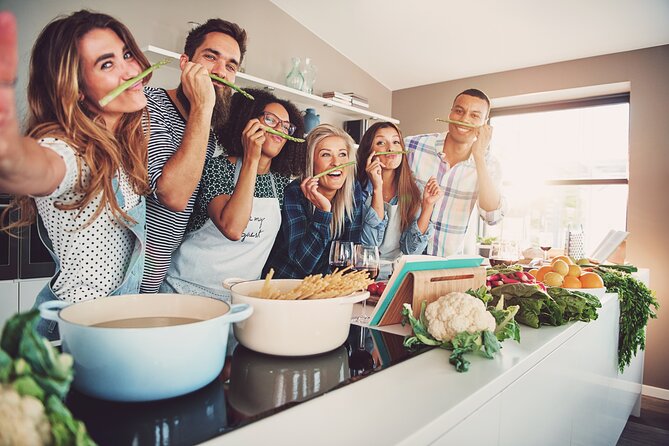
A piña colada is not just a souvenir drink here. In this tour, you make it. That is a key difference.
You learn the basics of putting together the drink, and you taste it right after preparation. That matters because it helps you connect the ingredients to the flavor, instead of treating it as a sugary mystery.
The experience is also timed well. You are not forced into a drinking sprint. You are cooking, learning, tasting, and then relaxing with your drink when the moment feels right. That makes it feel like a meal, not a party activity.
Chef Mauro keeps things social, and music shows up in the background. Some people even mention salsa playing during the class, which helps the mood stay loose. That is part of why the tour feels less like a school assignment and more like a local get-together around food.
Cooking and Eating Together: What’s on the Table
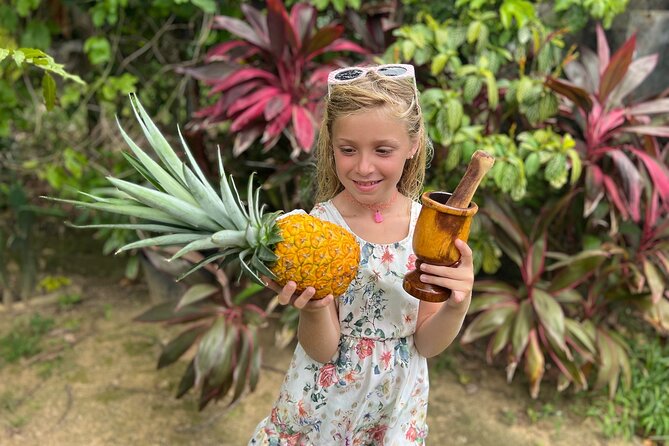
This is a hands-on cooking and tasting tour, so eating is built into the structure. You are watching techniques, cooking parts of dishes, then sitting down to enjoy what you made.
You should expect generous tastings of classic Puerto Rican items prepared for the group. The tour highlights include making sofrito, preparing tostones baskets, and learning quesitos. You also get piña colada tastings during the session.
One of the nicest surprises from reviews is how specific and practical the cooking instruction feels. People describe making sofrito with chicken in mofongo-style cups, and they talk about how plantains can become something far more exciting once shaped and cooked correctly. You also get fruit and dessert moments that add variety, like guava pastries.
There is also a clear food-and-people focus. People mention pairing cooking with conversation, and one review notes Chef Mauro grabbed a fresh mango from a tree to try. Not every tour will repeat that exact moment, but it signals the same thing: this is a local approach, tied to real ingredients and real hospitality.
Tostones Baskets and Quesitos: The Sweet-Savory Finish
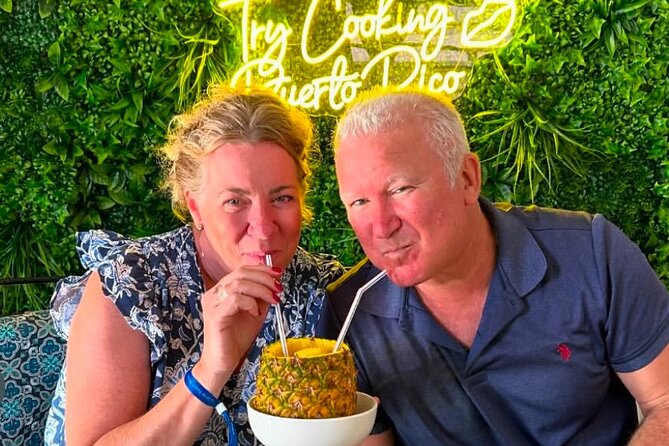
If you love contrast, this is where the tour delivers. Tostones are crunchy and savory, and they are also a classic Puerto Rican entry point for plantain lovers and skeptics alike.
The tostones baskets angle makes it feel playful. You are not just frying slices and moving on. You are working with a form factor that helps you learn how plantains behave when cooked and shaped. That gives you a result you can visualize repeating later.
Then you get the sweet side with quesitos. People specifically call out the guava pastry treat as a standout. That makes sense. Quesitos are comforting and mildly sweet, and they balance the savory flavors without turning the meal into a dessert marathon.
I like the way the class ends with these food moments. By then, you have already been through the savory foundation, so the dessert and sweet elements do not feel like an afterthought. They feel like part of a full Puerto Rican meal.
Price and Value: Is $89 Worth It for a Puerto Rico Food Class?
At $89 per person for about 2 hours, you are not shopping for a cheap snack tour. You are paying for three things: instruction, ingredients, and tastings, including drinks.
For me, the value question comes down to whether you leave with more than a meal. Here, you do. You leave knowing what sofrito is, why it matters, and how plantains are used beyond the basics. You also get hands-on practice making items like piña coladas and learning classic dishes like tostones baskets and quesitos.
The small-group cap (up to 12) also supports the price. When a class is crowded, tastings get skimpy and teaching gets rushed. In this case, people consistently describe the class as relaxed with no pressure, which usually means you get real time at the station.
If you are going with a partner or a friend who also loves food, the $89 can feel like a fair deal because you share the learning and the meal. It turns into a single shared experience instead of two separate restaurant outings.
Weather, Timing, and What to Do If Plans Change
This tour requires good weather. If it gets canceled due to poor weather, you will be offered a different date or a full refund.
That is common for outdoor or coastal-area activities, and it is worth paying attention to because it affects your day plan. If you are visiting during a season with lots of rain or sudden storms, you may want to keep this in the middle of your schedule, not as your only plan.
The good news is the tour is only about 2 hours. Even if you need to reschedule, you are not losing a full day.
You also use a mobile ticket, which is simple. Bring your confirmation when you get it, and you are set.
Who Should Book This Cooking and Tasting Tour in Piñones
This fits best if you like one, cooking with guidance, two, eating what you learn, and three, learning the basics behind the flavors.
I think you will especially enjoy it if:
- You are a food lover who wants techniques, not just tastes
- You are traveling with someone you can cook with in the kitchen at home
- You are a beginner who wants a no-pressure setting
- You want Puerto Rico food in an area that feels more local than the usual tourist strip
It might not be the best match if:
- You want a long day of sights and stops
- You prefer only restaurant-style tasting with zero cooking involvement
- You are sensitive to the hands-on nature of cooking classes, like getting a little involved at the station
Also, if you have dietary needs, ask early. One review mentions Chef Mauro accommodated a celiac issue by providing a gluten-free dessert. That suggests flexibility, but it is still smart to confirm details for your situation ahead of time.
Should You Book This Puerto Rico Food Experience?
I think you should book it if you want a fun, authentic Puerto Rico meal that teaches you how the flavors work. The combination of hands-on cooking, classic items like sofrito, and the chance to make piña coladas is a strong mix for the price. Plus, the small group size makes it feel personal instead of rushed.
If your travel style is more about big landmarks and distant views, you might feel like something else would suit you better. But if you want to come away with memories tied to actual recipes, this is the kind of experience that pays off later when you are cooking at home.
If you are on the fence, decide based on this one question: do you like learning by cooking, even if you are a beginner? If yes, this tour belongs on your San Juan list.
FAQ
How long is the Caribbean Food Experience in San Juan?
The tour runs for about 2 hours.
Where does the tour start in Piñones?
It starts at Try Cooking Puerto Ricolado, opposite Centro Comunal Piñones, PR-187, Carolina, Loíza 00772, Puerto Rico.
What kinds of dishes and drinks will I learn or taste?
You will make and taste Puerto Rican favorites such as piña coladas, sofrito, tostones baskets, and quesitos.
How large is the group?
The experience has a maximum of 12 travelers.
Is the ticket mobile?
Yes, the tour includes a mobile ticket, and you will receive confirmation at booking.
Is service animal access allowed?
Yes, service animals are allowed.
What happens if the weather is bad?
The tour requires good weather. If it is canceled due to poor weather, you will be offered a different date or a full refund.
Can the tour accommodate celiac or gluten-free needs?
One review notes that Chef Mauro provided a gluten-free dessert for a celiac issue. If you need gluten-free options, it is best to ask ahead so you know what can be provided.
Eating and Drinking Around the Island




Everything Else We Reviewed in Puerto Rico



Puerto Rico by the Plate

Newest Puerto Rico Reviews
- Authentic San Juan Guided Walking Food Tour with Pina Colada
★ 5.0 · 3 reviews - Tropical Rainforest Wonders Full Day Experience from San Juan
★ 5.0 · 3 reviews - Transport from Airport Luis Muñoz Marín to Ferry Ceiba
★ 5.0 · 3 reviews - Boogie Board with Snacks and Drinks in San Juan
★ 3.5 · 3 reviews - Professional Photoshoot in the Vibrant Streets of Old San Juan
★ 5.0 · 3 reviews
Puerto Rican Food Tours, compared.
 ★ 5.0Authentic Flavors of San Juan Food TourFrom $1654,741 reviews
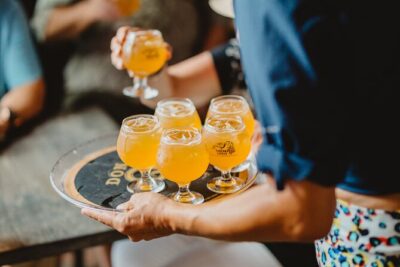 ★ 5.0Savor the Sunset: Old San Juan Walking Food TourFrom $179559 reviews
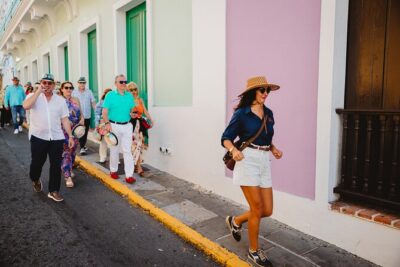 ★ 5.0Morning Old San Juan Food TourFrom $169233 reviews
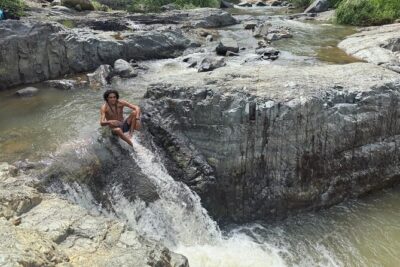 ★ 4.5Pinones Bar Hopping Beach Food Tour & Caguas River Hidden GemFrom $9582 reviews
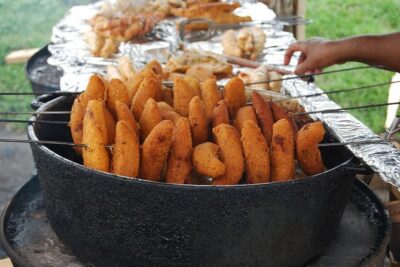 ★ 4.0Boriken Flavor: Roast Pork Hwy, Rum Tasting, Loiza FrittersFrom $16556 reviews
 ★ 4.5Famous Guavate Pork Road & Charco Azul Food & River TourFrom $11045 reviews
 ★ 5.0Old San Juan Food Tour with 7 Tastings of Authentic Local FlavorsFrom $14144 reviews
 ★ 4.0PR Chinchorreo-Beach and Bar Hopping TourFrom $13528 reviews
Browse the lists this tour appears in