
REVIEW · TAíNO HERITAGE TOURS
Explore Indigenous Roots, Experience a day in the life of a Taíno
If you want real Puerto Rico past the cruise-ship loop, this 8-hour Taíno-themed day trip delivers. I love how it hits four chapters of indigenous life in one tight route, then cools you off in nature, and ends with a practical look at living sustainably. I also like that the group is small, max 14 people, and the guide Tristan keeps the tone grounded and hands-on.
One thing to plan around: the farm meal is “farm-to-table” only when the group is at least 4 people. If your group is smaller, you still get the farm stop, but lunch happens elsewhere.
In This Review
- What makes this day feel authentic, not staged
- Key points I’d highlight before you go
- San Juan to the Cordillera Central, fast enough to feel like a real day
- Caguana: the Taíno ceremonial core of the Caribbean
- Charco Los Morones: petroglyphs and a river break you can actually enjoy
- Utuado and the permaculture farm: sustainability explained through how people live
- Farm-to-table at the right pace, and why the meal adds value
- Pricing and what you’re really buying for $175
- Who this fits best, and who might want something else
- What to expect from the guide, based on real on-the-day moments
- The weather and the day’s rhythm you should plan for
- Should you book this Taíno day trip?
- FAQ
- Is pickup available for this tour in San Juan?
- How long is the excursion?
- How much does it cost?
- What are the main stops during the day?
- Is swimming part of the plan at the river?
- Will lunch always be farm-to-table at the permaculture farm?
- What’s the group size limit?
- What happens if the weather is bad?
What makes this day feel authentic, not staged
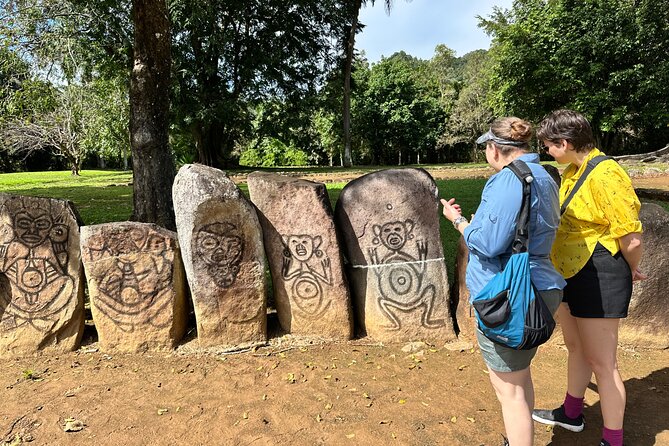
I like the order of the day: start with the biggest Taíno ceremonial grounds in the Caribbean, then go straight to a secluded river area with petroglyphs, and finally finish at a working permaculture spot. You get history you can see, then a break that feels earned, then a meal tied to how the land is managed.
The other practical win is transportation style. Pickup is offered in San Juan, so you spend less energy figuring out the logistics and more energy looking at stone, plants, and how people live nearby.
More of the island before Spain arrived
- Taino Indian Cave, Arecibo Hike and Beach Tour from San Juan★ 5.0 · 364 reviews
- Sacred Rainforest and Archaeological Experience★ 5.0 · 19 reviews
Key points I’d highlight before you go
- Caguana ceremonial grounds: the Caribbean’s largest Taíno ceremonial site, plus a museum with artifacts from daily Taíno life
- Charco Los Morones river time: you may swim and sunbathe, with petroglyphs in the mix
- Cordillera Central setting: a real change of scenery, especially if you’re tired of San Juan streets
- Utuado permaculture farm: hands-on talk about sustainability and off-the-grid living
- Small-group pace: capped at 14 travelers, which helps you ask questions without feeling rushed
San Juan to the Cordillera Central, fast enough to feel like a real day
This tour is built for a full day, not a quick hit. You start at 8:00 am at 114 Avenida José de Diego in San Juan, and you’re looking at about 8 hours total. If you’re the kind of traveler who gets restless with long bus days, this route keeps moving between meaningful stops rather than repeating the same scenery for hours.
The big value here is what you get to compare in one day. You see ceremonial space first, then you shift to a water-and-stone landscape with petroglyphs, then you end at a working farm that focuses on sustainable living. It’s a tour that links people to place, instead of treating each stop like a separate postcard.
If pickup is available for your exact start point, I’d use it. Fewer logistics usually means more attention on the road views and the first arrival.
Caguana: the Taíno ceremonial core of the Caribbean
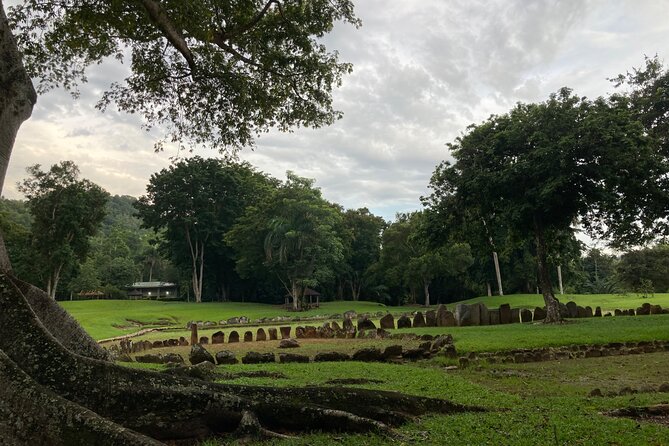
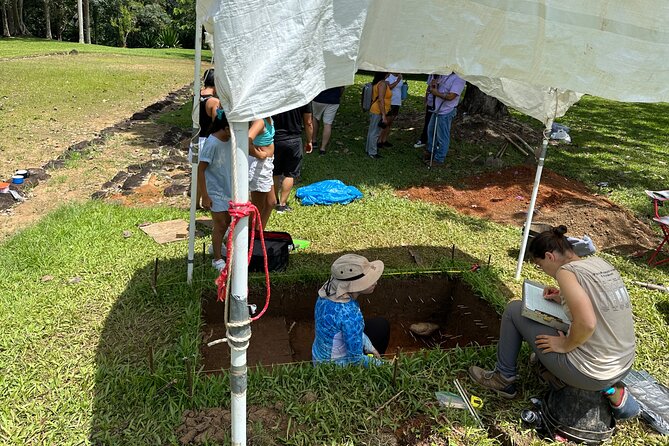
The first stop is Parque Ceremonial Indigena de Caguana, and it’s the kind of place that changes your pace. Expect about 1 hour 30 minutes there, with the museum included in your admission. This is described as the Caribbean’s largest ceremonial ground, and it’s framed as a key site in Taíno history.
Here’s what makes this stop especially useful for your understanding. The museum isn’t only about impressive objects. It includes artifacts connected to everyday Taíno life, so you’re not just looking at stone structures, you’re seeing how people used tools and objects in daily routines. That context matters, because it helps you read the ceremonial landscape as something tied to real communities, not just ancient scenery.
One practical tip: give yourself time to slow down at the grounds. If you rush, you’ll miss the feeling of scale and placement. If you take it at a steady walking pace, the site makes more sense, and the guide’s explanations land better.
Charco Los Morones: petroglyphs and a river break you can actually enjoy
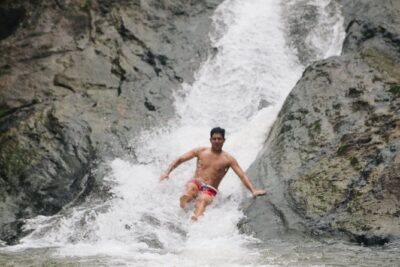
Next up is Charco Los Morones, one of those spots that sounds like it belongs to the “how did you find this” category. It’s listed as an off-the-beaten-path river, and the plan is about 2 hours total. You may swim and sunbathe here, with the Utuado mountains around you.
What I like about this stop is the built-in contrast. After a ceremonial site and museum, you get a physical reset, water time, and a chance to cool off. The petroglyph angle is also important, because it connects the landscape to what indigenous ancestors left behind.
A key consideration: water activities depend on conditions. The tour does note it requires good weather overall, so bring a flexible mindset and listen to your guide on the day. If you’re not feeling swimming, you can still enjoy it as a scenic pause, especially if you like photographing stone markings and mountain views without a crowd.


Utuado and the permaculture farm: sustainability explained through how people live
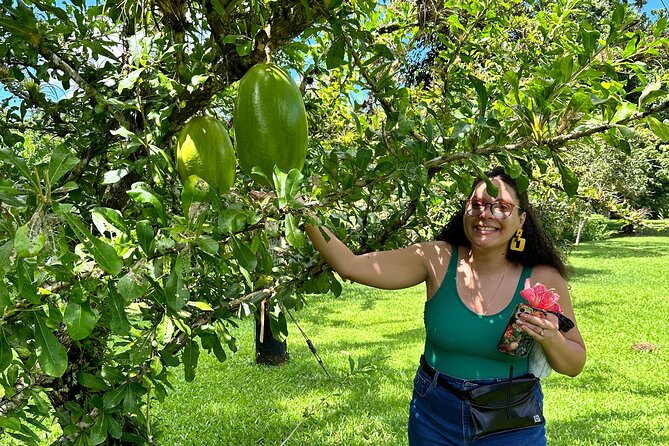
The last stop is the Utuado sustainable permaculture farm. You’ll get about 1 hour 30 minutes here, and you’ll tour the grounds and talk sustainability and off-the-grid living. Admission isn’t listed as a separate cost for this stop, and the end of the day is designed to feel like a payoff, not a rushed checkout.
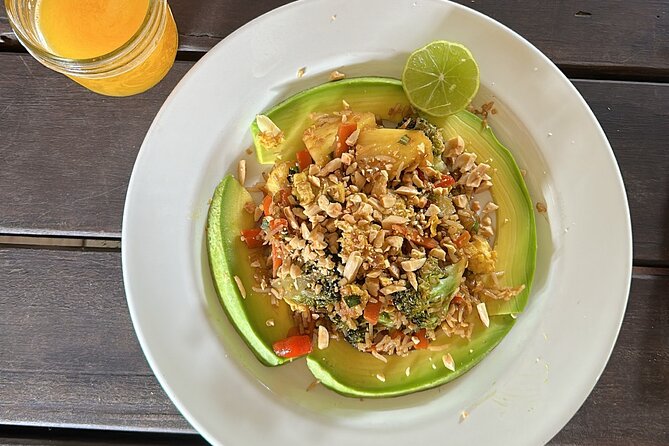
The meal plan is the part that can change based on group size. The experience is described as exclusive access to an off-the-grid permaculture farm with a fresh farm-to-table meal that requires a minimum of 4 people. If your group is smaller than 4, the farm stop still happens, but lunch is elsewhere.
That’s not a dealbreaker, but it affects your expectations. If you’re a group of four or more, you should expect a more complete, “see the land then taste the results” ending. If you’re going solo or as a couple, keep the focus on the farm tour and the sustainability conversation, then treat the meal as a bonus rather than the main event.
Based on guide behavior in the reviews, this ending is also where the day turns more personal. People highlighted Tristan’s patience and his ability to answer questions about indigenous heritage, plants, and the land itself. That kind of Q and A makes a farm stop far more useful than a quick walk-through photo moment.
Farm-to-table at the right pace, and why the meal adds value
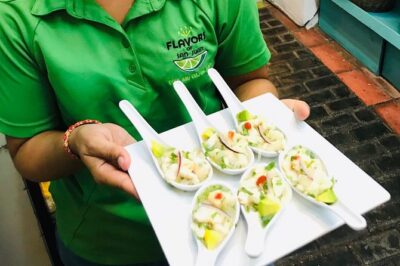
Let’s talk about why the food part matters. In many tours, lunch is just a required break. Here, the idea is that you’re eating something that connects back to the farm’s approach to growing and managing resources. If you get the full farm-to-table meal option, you’ll feel the link between what you heard and what you taste.
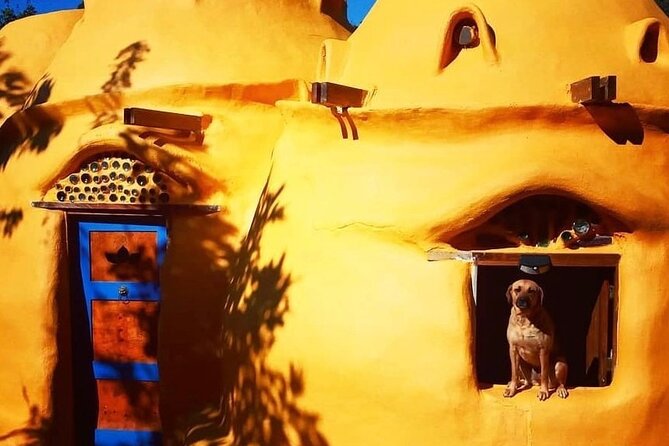
In the reviews, the lunch gets specific praise, and the farm is described as self-sustaining with eco-minded materials. One reviewer mentioned seeing a round house built with environmentally sustainable material, plus water and plant ideas like plants on the roof and water management concepts. Even if your experience doesn’t match every single detail, that’s a sign the farm tour is the kind where you learn by looking closely at structures and practices.
Value check for the price: at $175 per person for an 8-hour day, you’re paying for transportation coverage, multiple admission-supported stops, and a guide-led route that’s intentionally away from high-traffic routines. The farm access and the Taíno site depth are the main reasons it can feel worth it if those topics are your priority.
Pricing and what you’re really buying for $175
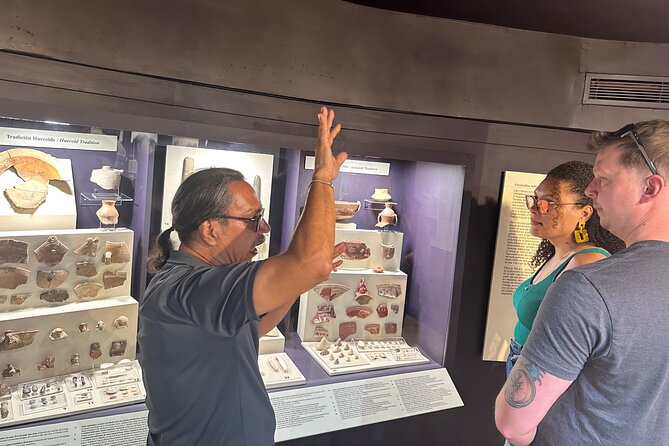
I don’t judge the cost in isolation. I look at what you get that you could not easily replicate on your own in a single day. This day includes a major ceremonial site with museum entry, a river stop where you may swim and find petroglyphs, and a permaculture farm with sustainability talk and an on-site meal setup when group size hits the minimum.
You’re also paying for a guide who can translate what you’re seeing into context. The reviews repeatedly highlight Tristan for being patient, answering questions, and connecting plants and heritage. That matters, because stone carvings and ceremonial layout can look mysterious if no one explains how to read them.
Group size is also part of the value story. With a max of 14 travelers, you generally get a more personal pace than big-bus tours. That doesn’t automatically mean a private day, but it helps your question time and reduces the feeling of being herded.
One thing to watch: if you’re expecting a guaranteed farm-to-table meal no matter what, the minimum of 4 people is the rule. I’d plan your schedule with the farm tour as the constant, and the meal as the best-case scenario.
Who this fits best, and who might want something else
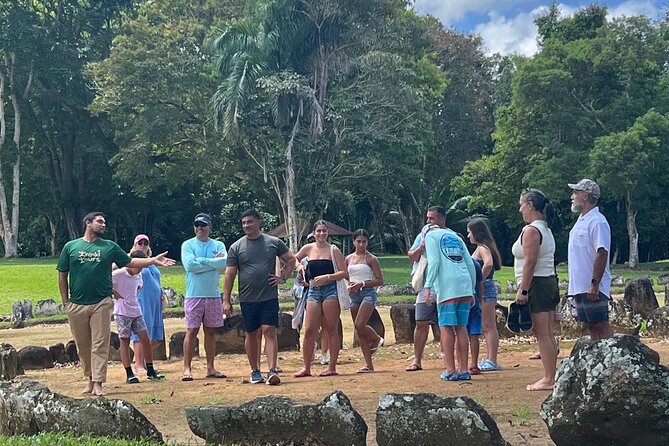
This experience is a strong match if you want to get out of city life and put your attention on people, land, and heritage. It’s also a good choice for history-minded travelers who don’t want only museum time. You’re getting outdoor scenery and physical places, not just indoor interpretation.
It’s also ideal if you like a day with a mix. You start with a major Taíno ceremonial ground, you move to a river break where you might swim, and you end with a farm stop where you can ask practical questions. That variety keeps the day from feeling one-note.
If you’re traveling with limited mobility or you avoid outdoor activities, you should consider your comfort level with walking at natural sites and potential water time at the river. The tour says most travelers can participate, so it is likely doable for many people, but it’s still an outdoor-focused route.
It can also work well for families, especially if your kids can handle early mornings and you’re okay with a day that’s half culture and half nature. Service animals are allowed, which is a helpful note if you travel with one.
What to expect from the guide, based on real on-the-day moments
The guide’s role here is not just narration. In the reviews, Tristan is repeatedly described as enthusiastic, patient, and quick to answer questions about indigenous individuals and plants. That’s a big deal because it tells me the tour is more interactive than a strict script.
One detail that stands out from the feedback is that some groups ended up with their own private tour. That can’t be guaranteed, but the repeated notes about private or small group feel suggest the operator aims to keep groups manageable. If you like asking questions and not waiting your turn, that tone matters.
Another repeat theme is that the day feels like you’re shown parts of Puerto Rico that you would not naturally find on your own. That’s the core promise: less repetition, fewer crowded stops, more grounded place-based experiences.
The weather and the day’s rhythm you should plan for
This tour requires good weather. That’s not a small note, because the river stop is part of the experience flow and the whole day is built around being outside. If weather turns poor, the tour may be rescheduled or you may receive a full refund.
The start time matters too. An 8:00 am meeting point means you’ll want to be ready early. If you’re staying in Old San Juan or near tourist centers, plan extra time for getting to the meeting address at 114 Avenida José de Diego.
The timeline is straightforward, and each stop roughly stacks into your day like this:
- ceremonial grounds and museum first
- river and petroglyph time next
- farm tour and sustainability chat to finish
That structure is one reason this day can feel meaningful rather than random.
Should you book this Taíno day trip?
Yes, if you want a day that mixes Taíno ceremonial context with nature time and ends with sustainability explained where it’s happening, not just talked about. This is a smart pick for travelers who are tired of repeating the same tourist circuit and who prefer a small-group feel.
I’d especially consider booking if any of these are true for you: you care about indigenous history, you like swimming or at least being near water, and you’re curious about permaculture and off-the-grid living. The guide’s ability to answer questions also sounds like a major plus.
I’d think twice if your top priority is guaranteed on-site farm-to-table lunch regardless of group size. The minimum of 4 people matters, and smaller groups may eat lunch elsewhere. Also, because it’s outdoors and weather-dependent, you’ll want a flexible plan if the sky doesn’t cooperate.
If you want Puerto Rico that feels real and not overly packaged, this is the kind of day you remember.
FAQ
Is pickup available for this tour in San Juan?
Pickup is offered. The tour starts at 114 Avenida José de Diego, San Juan, 00907, Puerto Rico at 8:00 am, and the activity ends back at the meeting point.
How long is the excursion?
The tour lasts about 8 hours.
How much does it cost?
The price is $175.00 per person.
What are the main stops during the day?
You’ll visit Parque Ceremonial Indigena de Caguana, Charco Los Morones, and a permaculture farm in Utuado, with a farm tour and a meal included under the minimum group condition.
Is swimming part of the plan at the river?
At Charco Los Morones, the plan says you may swim and sunbathe. It’s also a river area where petroglyphs can be found.
Will lunch always be farm-to-table at the permaculture farm?
The experience includes a fresh farm-to-table meal at the permaculture farm with a minimum of 4 people. If your group is less than 4, the farm stop is still included, but lunch will be elsewhere.
What’s the group size limit?
The tour has a maximum of 14 travelers.
What happens if the weather is bad?
The tour requires good weather. If it’s canceled due to poor weather, you’ll be offered a different date or a full refund.
Everything Else We Reviewed in Puerto Rico



Taino Puerto Rico

Newest Puerto Rico Reviews
- Authentic San Juan Guided Walking Food Tour with Pina Colada
★ 5.0 · 3 reviews - Tropical Rainforest Wonders Full Day Experience from San Juan
★ 5.0 · 3 reviews - Transport from Airport Luis Muñoz Marín to Ferry Ceiba
★ 5.0 · 3 reviews - Boogie Board with Snacks and Drinks in San Juan
★ 3.5 · 3 reviews - Professional Photoshoot in the Vibrant Streets of Old San Juan
★ 5.0 · 3 reviews
Taíno Heritage Tours, compared.
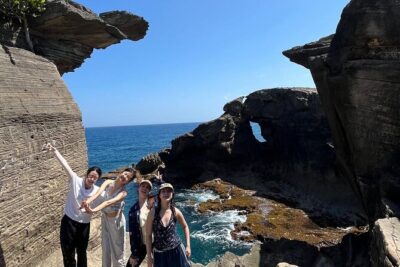 ★ 5.0Taino Indian Cave, Arecibo Hike and Beach Tour from San JuanFrom $115364 reviews
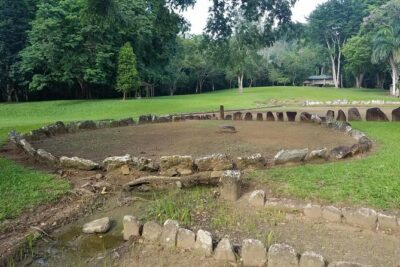 ★ 5.0The Taino RouteFrom $21041 reviews
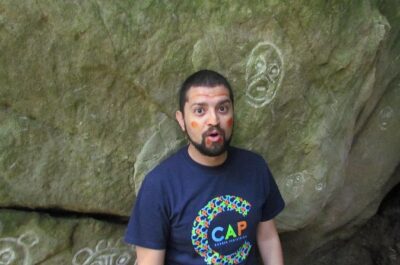 ★ 5.0Sacred Rainforest and Archaeological ExperienceFrom $20019 reviews
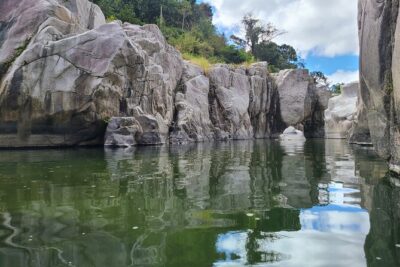 ★ 5.0Private Tour of the White Canyon Ancestral Route in UtuadoFrom $797 reviews
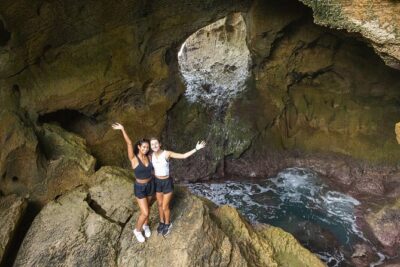 ★ 5.0Hiking, Cliffs, Cave, and Taino LegendsFrom $1205 reviews
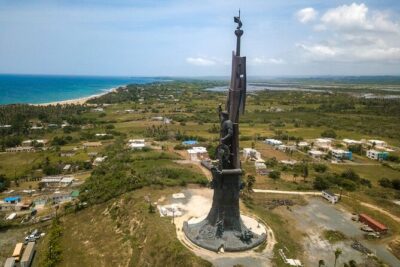 ★ 5.0Taino Hidden Caves Guided TourFrom $854 reviews
Browse the lists this tour appears in