
REVIEW · PUERTO RICAN FOOD TOURS
Puerto Rican Gastronomy Cooking Class
Food tastes better when you help make it. This Puerto Rican cooking class mixes a farmers market start with hands-on cooking, so you understand the ingredients, not just the recipe. You’ll pick your produce and staples, then cook alongside a local chef with the cultural stories that food carries.
I especially like the way the morning starts with real shopping and conversation, then turns into an active kitchen lesson. I also like the built-in meal plan, with lunch, an arrival welcome cocktail, and snacks like appetizer and dessert. One thing to consider is physical effort: there’s walking, and you’ll be moving up and down at least one flight of stairs.
In This Review
- Key highlights before you go
- Why the market stop matters in a San Juan cooking class
- Totem Telúrico start time, walking, and how the class runs
- Picking Caribbean staples: what to watch for at the farmers market
- The cooking lesson: techniques, stories, and the pinch of amor
- What you’ll eat and drink: lunch, cocktail, appetizer, and dessert
- Price and value: is $167 per person worth it?
- Dietary needs, private options, and how to plan ahead
- Who this tour suits best, based on what you’ll get
- Should you book Atelier Sazon’s Puerto Rican Gastronomy Cooking Class?
- FAQ
- Where does the cooking class start and end?
- What time does the class begin?
- How long is the class?
- What’s included in the price?
- Are dietary restrictions accommodated?
- Is transportation or an air-conditioned vehicle included?
Key highlights before you go
- Farmers market ingredient picking with time to talk to locals
- Cooking with cultural context, not just steps on a card
- Small group size up to 16 travelers, which keeps it interactive
- Lunch plus snacks and a welcome cocktail included in the price
- Dietary restrictions welcome if you request them at least 24 hours ahead
Still hungry? More Puerto Rican plates, reviewed
- Authentic Flavors of San Juan Food Tour★ 5.0 · 4,741 reviews
- Savor the Sunset: Old San Juan Walking Food Tour★ 5.0 · 559 reviews
- Morning Old San Juan Food Tour★ 5.0 · 233 reviews
- Boriken Flavor: Roast Pork Hwy, Rum Tasting, Loiza Fritters★ 4.0 · 56 reviews
Why the market stop matters in a San Juan cooking class
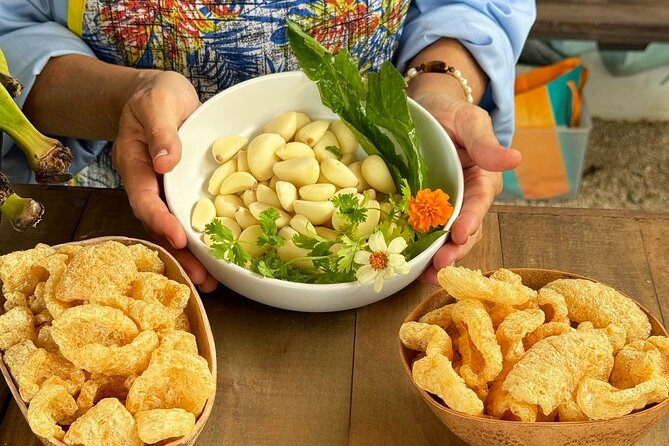
This class is built around the idea that Puerto Rican food starts long before the stove. The morning begins at a local farmers market, where you choose Caribbean staples for your meal. That detail sounds simple, but it changes how the cooking feels. When you know what you picked and why it shows up in Puerto Rican kitchens, the recipe stops being abstract.
You also get a chance to see day-to-day island agriculture and sourcing habits. The experience doesn’t just point at ingredients and move on. It talks about staple foods and agricultural practices, so you’re learning how food fits into the rhythm of Puerto Rico, not treating dishes like museum pieces.
And yes, it’s fun. You’re shopping with a chef who can explain what matters and what to look for, then you switch gears to cook. That flow is one of the best parts of the experience.
Totem Telúrico start time, walking, and how the class runs
The tour starts at Tótem Telúrico in San Juan, with a 9:00 am start. It ends back at the same meeting point, so you’re not left figuring out transport after a long sit-down meal and cooking.
Expect about 3 hours 30 minutes total. The itinerary is paced so you can move from market to kitchen without feeling rushed, but it still stays active. The class includes walking, and you’ll need to go up and down a flight of stairs. If you have mobility issues or hate the idea of stairs on a vacation morning, that’s the one practical drawback to plan around.
Group size is capped at 16 travelers and there’s a minimum of 9 for the class to run. That mix is helpful for you. With a smaller cap, questions don’t disappear into the crowd, and you get more face time with your chef. When classes run with fewer people, it tends to feel more like a shared table than a lecture.
Picking Caribbean staples: what to watch for at the farmers market
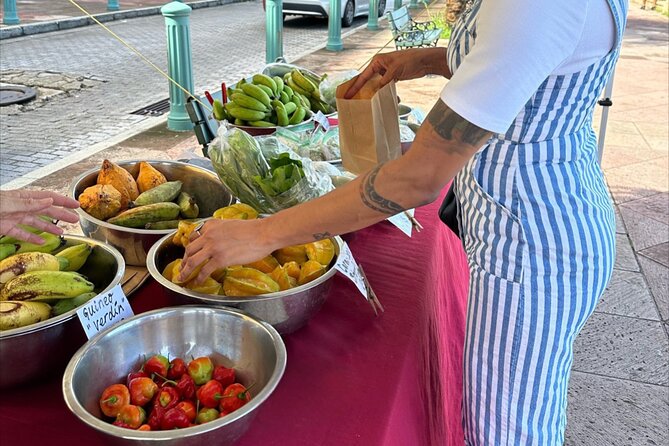
At the market, you’ll choose ingredients for the cooking lesson with your chef. The experience also frames what you’re buying by explaining staple foods and how island agriculture supports local cooking.
Here’s what will likely make the market portion worth your time:
- You’ll get to ask practical questions while vendors are right there.
- You’ll learn what ingredients are considered staples and how they behave in Puerto Rican dishes.
- You’ll see how locals shop, not just how tourists browse.
In at least one class, the teacher and chef energy really matters. One review specifically called out Patricia as a great teacher, and that lines up with how this kind of market-to-kitchen experience succeeds. A strong guide can translate market chatter into cooking decisions. For you, that means you don’t just end up with a bag of ingredients. You understand what those ingredients are doing in the dish.
My advice: come hungry, but don’t over-snack before you arrive. You’ll need your appetite for the included meal components later, and you’ll want your energy up for the cooking portion.
The cooking lesson: techniques, stories, and the pinch of amor
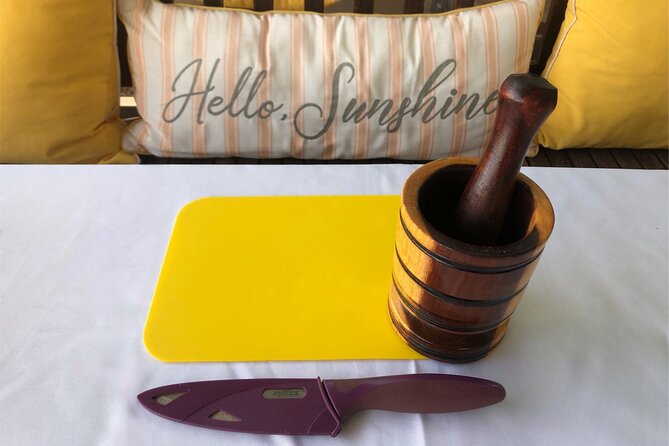
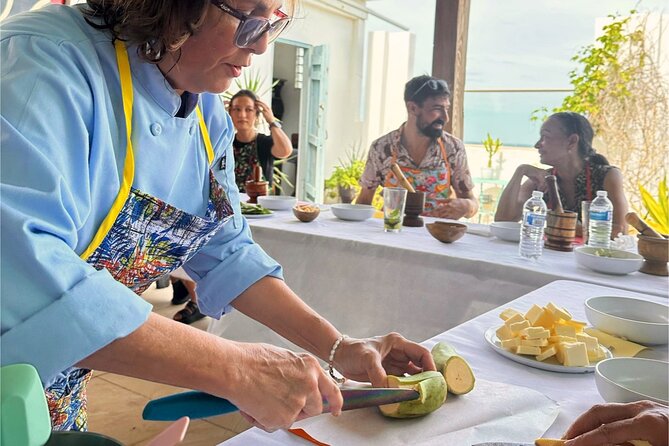
Once the ingredients are chosen, you move into the hands-on cooking phase with your chef. The class is designed to teach more than one technique, and it doesn’t treat the food like a checklist. You’ll prepare ingredients while the chef explains the cultural significance of what you’re cooking.
This is where the experience becomes truly useful for future meals. You’re learning how to season, how to prep, and how to build flavor the Puerto Rican way. The class also includes the idea of adding a pinch of amor while seasoning. It’s a playful line, but it points to something real. Puerto Rican home cooking is about feel, balance, and care, not just measurements.
A few practical expectations to set correctly:
- You’ll use all the necessary equipment for cooking, including utensils and aprons.
- The class moves at a friendly pace, with explanation built into prep steps.
- You’re cooking along with the group, not just watching.
Also, you’ll want to listen closely during the seasoning and assembly steps. Those are the parts that tend to separate a “sounds right” dish from one that tastes like the food you grew up hearing about, or like the plate you’ve been craving on past trips.
And yes, there’s a dessert angle. The experience notes that you can ask your chef for their secret dessert recipe, which is a smart way to leave with something beyond the main dish.



What you’ll eat and drink: lunch, cocktail, appetizer, and dessert
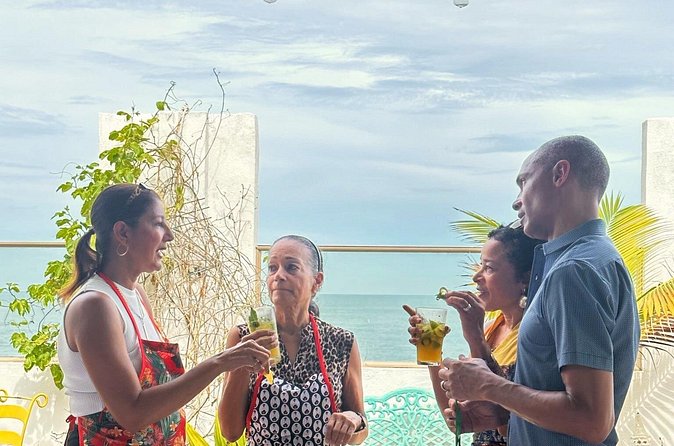
The package isn’t just hands-on cooking. It’s also a full food experience. Here’s what’s included:
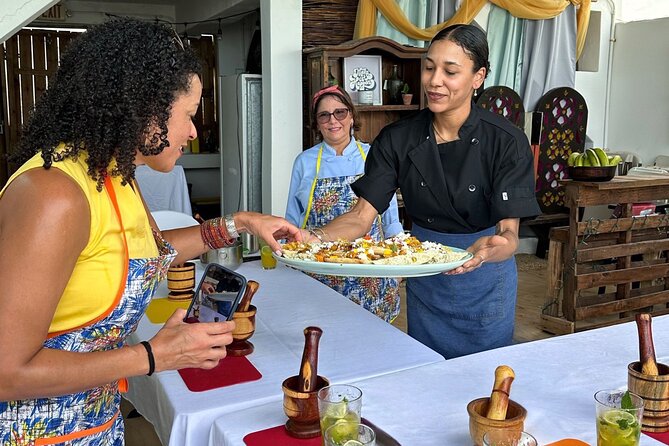
- Lunch
- A welcome cocktail when you arrive (alcoholic beverages included)
- Snacks, including an appetizer and dessert
This matters for value because you are paying for a full, structured experience that feeds you. Many cooking classes focus heavily on the lesson and then give you a small bite at the end. Here, you should plan to eat well during the class, and not just taste your way through.
The dessert component also gives you an extra reason to show up with a good attitude. Learning one savory dish is nice. But getting a dessert story and recipe direction can be the thing you bring back home and repeat for friends and family.
If you want to make this a smoother day, consider timing. Since the class starts at 9:00 am and lasts about 3.5 hours, it’s essentially an all-morning meal plan in one spot. That’s handy when you’d rather spend vacation time doing one great activity than juggling multiple reservations.
Price and value: is $167 per person worth it?

At $167 per person, you’re paying for three things at once: a chef-led market experience, hands-on cooking time, and a meal that includes lunch, snacks, and a welcome cocktail. When I look at value, I try to answer a simple question: would I otherwise spend a similar amount and still get this level of guidance?
Here’s why this class can feel like strong value:
- You’re not just cooking in a kitchen. You’re learning ingredients first at the farmers market.
- The group size cap at 16 supports interaction.
- The class provides equipment, including aprons and cooking basics, so you’re not adding hidden costs.
- You get alcohol and multiple food items included, which saves you from separate meal planning.
Potential downside on price is also simple: you are paying for a structured experience. If you prefer to wander food markets on your own and cook without instruction, you might spend less elsewhere. But if you want the cultural context and the chef guidance, the price is more defensible.
For me, the tipping point would be your interest in cooking and learning. If you like hands-on classes, this is priced like a premium food experience, but it’s built with enough included food and instruction that it can still feel fair.
Dietary needs, private options, and how to plan ahead
Dietary restrictions are accommodated, and you’re encouraged to let the operator know at least 24 hours in advance. That matters because it gives the kitchen time to adjust ingredients and meal prep without scrambling.
If you’re traveling with someone who needs specific options, you’ll feel better knowing the class can respond to allergies and restrictions, as long as you communicate early.
There are also private experiences available upon request. If you’re celebrating something, traveling with a family group, or want a quieter class, this could be a way to tailor the experience.
Finally, keep in mind that there’s no private transportation and no mention of an air-conditioned vehicle. That means you should plan your route to the meeting point and be ready for Puerto Rico’s climate while walking to and from activity spaces.
Who this tour suits best, based on what you’ll get
This class is a great fit if you want an active, food-first day in San Juan. You’ll especially like it if you enjoy:
- cooking and learning techniques you can repeat at home
- market time where you ask questions and choose ingredients
- cultural context tied directly to what you cook
It’s also a strong choice for groups. One review described a bachelorette party and called it one of the best decisions they made, not just for fun but for learning Puerto Rican cuisine and making a dish together. That group vibe makes sense with a small cap, shared cooking tasks, and a meal included at the end.
It’s less ideal if you dislike stairs or walking. The class requires you to move up and down a flight of stairs, so it’s worth considering your comfort level before booking.
Should you book Atelier Sazon’s Puerto Rican Gastronomy Cooking Class?
If you’re deciding between a self-guided food day and a chef-led experience, I’d book this when you want structure and real instruction. For $167, you get a market start, hands-on cooking, lunch, snack(s), a welcome cocktail, and equipment. That’s a lot packed into about 3.5 hours, and the small group cap helps the experience stay interactive.
One more reason to lean yes: the teaching matters. The standout mention of Patricia as a great teacher is the kind of detail that often signals a class with good pacing and clear instruction. And the strongest feedback pattern from the experience points to the market portion and the fun, guided cooking.
If you hate crowds, consider going on a date when the group size is likely to stay close to the lower end of that cap. And if you have mobility limitations, plan carefully due to the stairs.
Overall, this is the kind of tour that doesn’t just feed you. It gives you skills and stories you can use again, and it does it in a way that feels social, not scripted.
FAQ
Where does the cooking class start and end?
The experience starts at Tótem Telúrico, San Juan, 00901, Puerto Rico, and it ends back at the same meeting point.
What time does the class begin?
The start time is 9:00 am.
How long is the class?
The duration is approximately 3 hours 30 minutes.
What’s included in the price?
Lunch is included, along with a welcome cocktail and alcoholic beverages, plus snacks including an appetizer and dessert. The tour also provides all cooking equipment such as utensils, cooking basics, and aprons.
Are dietary restrictions accommodated?
Yes. You can request dietary restrictions or food allergies, but you need to let the operator know at least 24 hours in advance.
Is transportation or an air-conditioned vehicle included?
No. Private transportation is not included, and there is no mention of an air-conditioned vehicle. The tour also includes walking and requires going up and down a flight of stairs.
Everything Else We Reviewed in Puerto Rico




Puerto Rico by the Plate



Newest Puerto Rico Reviews
- Authentic San Juan Guided Walking Food Tour with Pina Colada
★ 5.0 · 3 reviews - Tropical Rainforest Wonders Full Day Experience from San Juan
★ 5.0 · 3 reviews - Transport from Airport Luis Muñoz Marín to Ferry Ceiba
★ 5.0 · 3 reviews - Boogie Board with Snacks and Drinks in San Juan
★ 3.5 · 3 reviews - Professional Photoshoot in the Vibrant Streets of Old San Juan
★ 5.0 · 3 reviews
Puerto Rican Food Tours, compared.
 ★ 5.0Authentic Flavors of San Juan Food TourFrom $1654,741 reviews
 ★ 5.0Savor the Sunset: Old San Juan Walking Food TourFrom $179559 reviews
 ★ 5.0Morning Old San Juan Food TourFrom $169233 reviews
 ★ 4.5Pinones Bar Hopping Beach Food Tour & Caguas River Hidden GemFrom $9582 reviews
 ★ 4.0Boriken Flavor: Roast Pork Hwy, Rum Tasting, Loiza FrittersFrom $16556 reviews
 ★ 4.5Famous Guavate Pork Road & Charco Azul Food & River TourFrom $11045 reviews
 ★ 5.0Old San Juan Food Tour with 7 Tastings of Authentic Local FlavorsFrom $14144 reviews
 ★ 4.0PR Chinchorreo-Beach and Bar Hopping TourFrom $13528 reviews
Browse the lists this tour appears in