
REVIEW · WALKING TOURS
San Juan: Walking Tour with Expert Guide
Old San Juan is best learned on foot. This 2-hour walk turns the streets into a quick, clear timeline of Puerto Rico’s colonial era, with an expert historian guide setting the scene at each stop. I especially like the small group size, you get real attention. I also like that the route is built around major landmarks like San Felipe del Morro or San Cristobal, plus government and church sites you can see in context. The main catch is the walking: you should expect lots of hills, stairs, and heat.
If you’re curious how power, religion, and defense shaped everyday life, this tour is an efficient way to connect the dots. You’ll follow the cobblestone streets and colorful buildings, and you’ll hear how Spanish colonial influence shows up in places like the Governor’s residence area and the Cathedral area. One possible drawback: it is not suitable for mobility impairments or wheelchair users, so go only if you can handle uneven ground and steps.
The best part is the guide. Guides named Francisco, often called Frankie in reviews, get consistently praised for making the history understandable and even fun. You’ll end near the shops and restaurants at Hotel El Convento, so you’re not stranded after the tour. Bring your sunscreen and water, because it can be hot and you will be on your feet the whole time.
In This Review
- Key Things I’d Circle Before You Go
- A 2-Hour Old San Juan Walk That Actually Hits the Big Spots
- Meeting Up at Banco Popular, Then Starting at a Fort
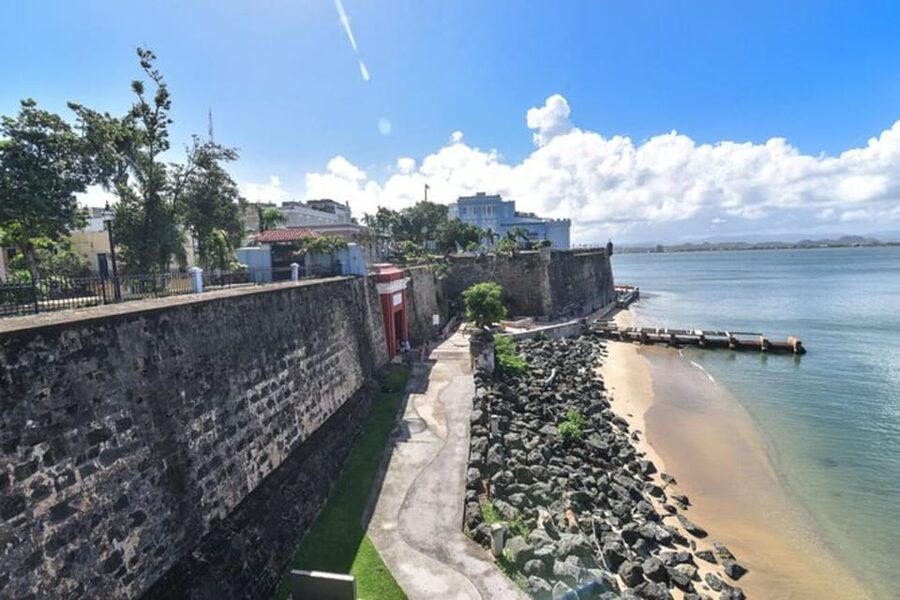
- Paseo de la Princesa to the Governor’s Residence Area
- San Juan Gate (1520) and Harbor Defense Views
- Ballaja Barracks (1864) and the Spanish Militia Housing Chapter
- San Jose Church and Plaza del Quinto Centenario Stops
- Cathedral, Governor’s Mansion Area, and the Colonial Power Loop
- Finishing at Hotel El Convento, Right by Shops and Restaurants
- What the Included Fort Ticket Means for Value
- Walking Comfort Checklist for Old San Juan
- Who Should Book This Tour, and Who Might Skip It
- Should You Book This San Juan Walking Tour?
- FAQ
- What is the duration of the San Juan walking tour?
- How much does the tour cost?
- What does the tour include?
- What should I bring?
- Where is the meeting point and when does the tour start?
- Is the tour suitable for people with mobility impairments?
Key Things I’d Circle Before You Go
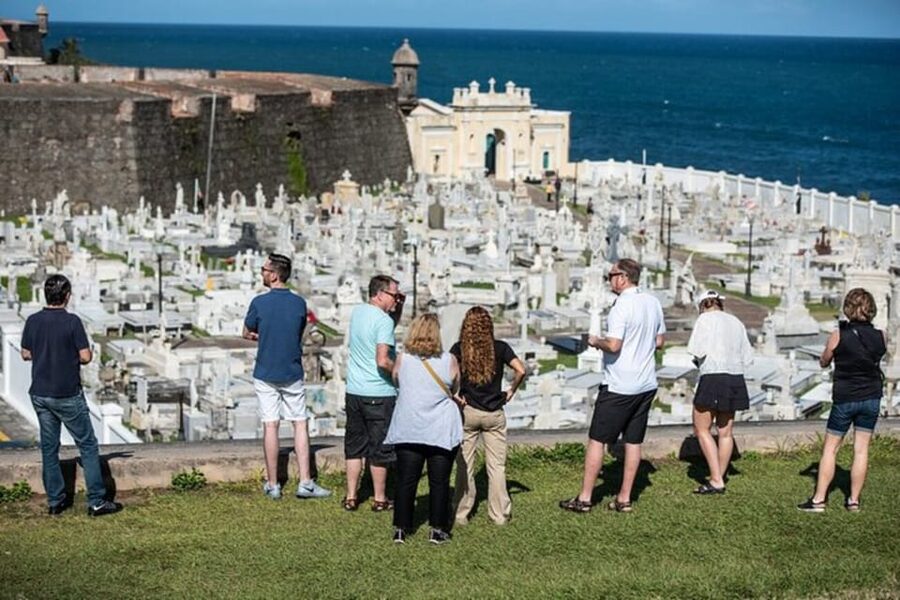
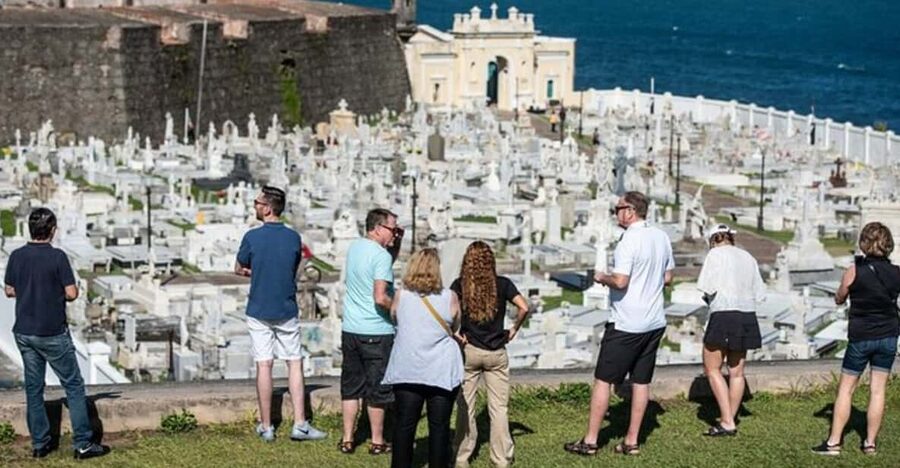
- Small group, maximum 12 people, which helps the guide keep things interactive and clear
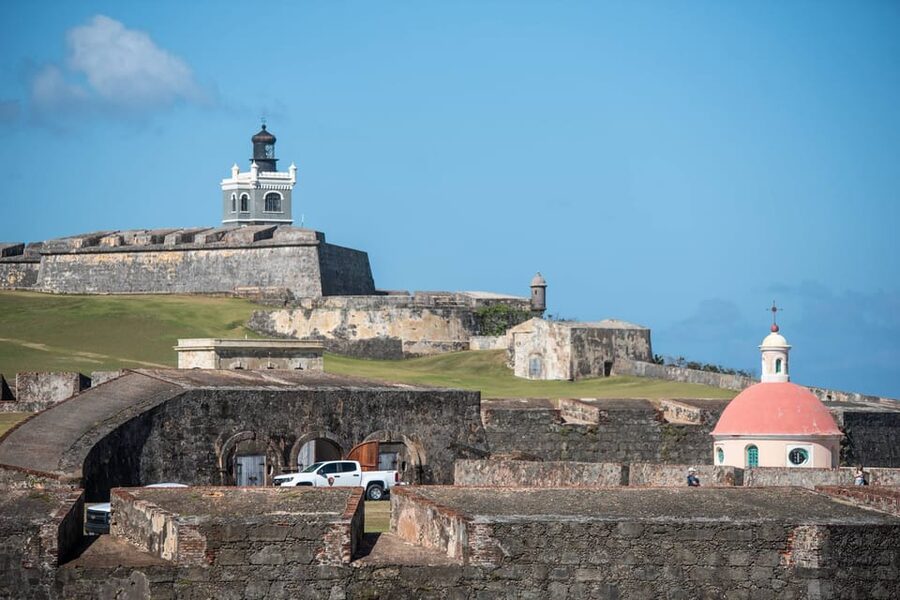
- Fort entrance included for one fort, either Castillo San Felipe del Morro or San Cristobal
- Paseo de la Princesa to the Governor’s residence area, a smart line between street life and power
- San Juan Gate built in 1520, with its original purpose tied to harbor defense
- Ballaja Barracks built for Spanish militia housing in 1864, which adds a later chapter beyond the early colonial feel
- Ends at Hotel El Convento, so you can keep exploring without a long transfer
A 2-Hour Old San Juan Walk That Actually Hits the Big Spots
This is a focused walking tour that covers the essentials without turning into a half-day marathon of random stops. At 2 hours, you get enough time for meaningful explanations while still leaving you energy to explore on your own afterward.
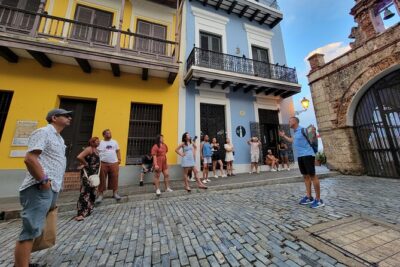
Old San Juan can feel like a maze if you wander aimlessly, especially with the cobblestones and the changes in elevation. This route gives you a structure: defense and city entry, then civic and religious landmarks, then the government area, all tied together with colonial influence as the thread.
You also get a real value boost from the included entrance fee to one fort. If you were planning to visit a fort anyway, this tour helps you “bundle” that ticket cost into the guided experience.
Meeting Up at Banco Popular, Then Starting at a Fort
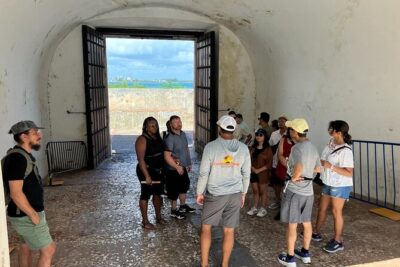
Your tour begins at 9:00 AM at a plaza near the Banco Popular Building. Then the first step is the fort start. Depending on the day, you enter from San Felipe del Morro or San Cristobal.
Why this matters: starting with a fort helps your brain lock onto the city’s original priorities. You are not starting in the middle of the most photographed streets. You begin with the places connected to protection and control, which makes later stops feel less like separate postcards and more like parts of one system.
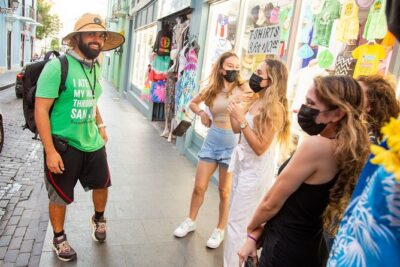
What to expect at the start is straightforward: you will walk, listen, and gradually shift from the fort perspective into the town’s streets. The tour is led by an English-speaking professional historian guide. In the reviews, the guides are consistently described as fun, confident, and proud of the island, including Francisco, sometimes called Frankie.
Tip: even if you think you are a morning person, wear comfortable shoes anyway. Cobblestones plus stairs adds up fast.
Paseo de la Princesa to the Governor’s Residence Area
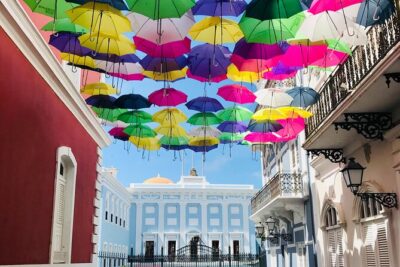
One of the clearest “story beats” on this walk is the stretch along Paseo de la Princesa toward the Governor’s residence area. This is where the tour connects colonial influence to the way the city is laid out.
Think of it like this: on a guided walk, the street isn’t just scenery. The guide helps you read the street as a route between civic focus points. When you see how the route leads toward the seats of authority, the colonial city plan starts to make sense.
This portion also tends to be one of the most memorable for people who like context. You see a familiar Old San Juan vibe, bright buildings and stone lanes, while the guide explains why this part of town mattered.
What to watch for: sun and heat. Multiple guides get praise for pacing and humor, but the physical reality stays the same. If you burn easily, sunscreen matters as much as your shoes.
San Juan Gate (1520) and Harbor Defense Views
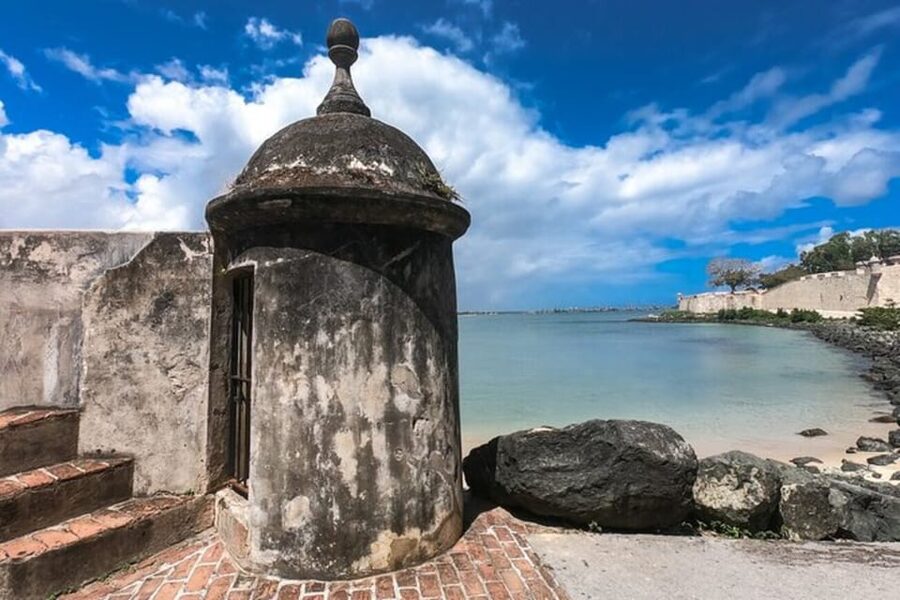
The tour includes the San Juan Gate, built in 1520 to guard the city from the harbor. This stop is worth it because it is specific. Not just “an old gate.” You get a direct connection between the built structure and the city’s defensive purpose.
A guided explanation helps here. Gates can look like background architecture when you walk past them alone. With a guide, you can connect the gate to the larger city logic: who needed protection, what direction mattered, and why the harbor was central.
Even if you do not consider yourself a history person, this is a satisfying kind of stop. It gives you a mental anchor for the whole walk, and you can keep that anchor as you move toward later sites.
Ballaja Barracks (1864) and the Spanish Militia Housing Chapter
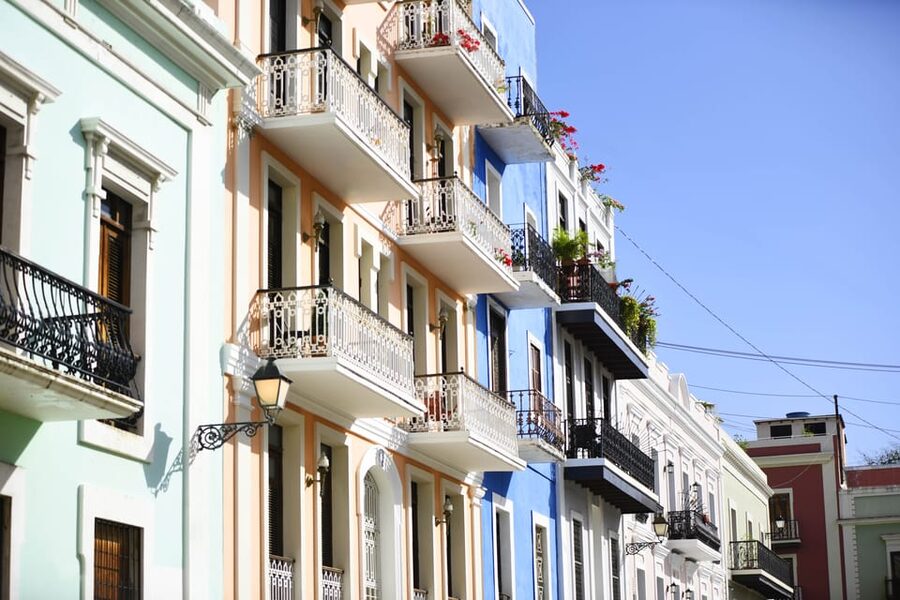
Next comes Ballaja Barracks, built by the Spanish militia for housing in 1864. This is a nice contrast because it adds a later layer to what you are seeing.
Many Old San Juan tours skew early, but including this kind of military housing site helps you understand continuity. The city keeps serving defense roles across time, not just in the earliest colonial period. Even if the facts stay brief, the stop adds depth to your mental map.
Why this matters for you: it prevents the tour from feeling like a single-era museum. You get a sense that the city’s story changed, even while the urban fabric and institutions stayed influential.
From there, you transition into more civic and religious spaces.
San Jose Church and Plaza del Quinto Centenario Stops
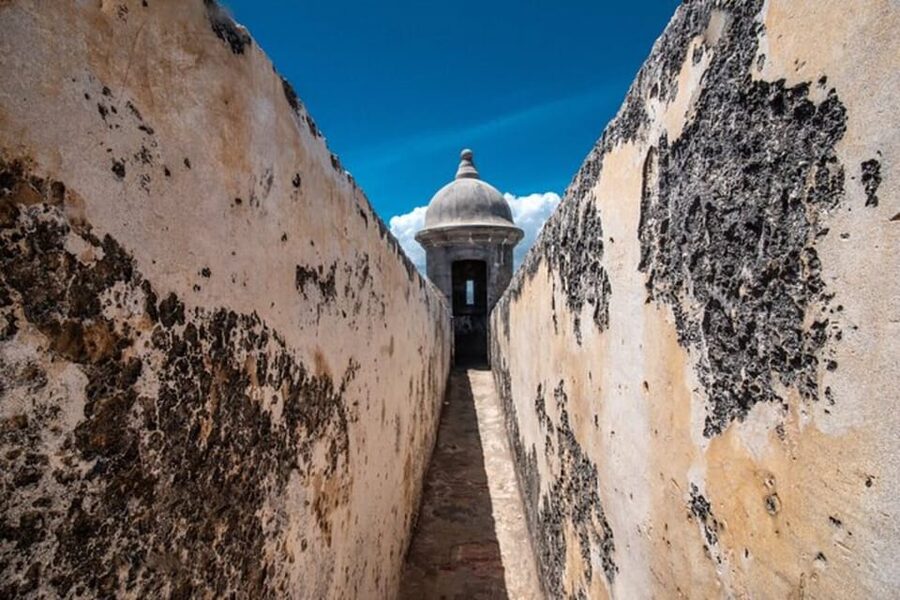
The itinerary also brings you to San Jose Church and Plaza del Quinto Centenario. These stops shift you from defense and government back to daily city rhythm.
Churches can become tricky on tours because people expect one big “wow moment.” Here, the value is usually in what the guide connects it to. The church and plaza help you feel how the colonial layout supported public life, not only military priorities.
Plaza del Quinto Centenario is a good “pause” stop in the walking flow. After you’ve been shifting between forts, gates, and civic areas, a plaza helps you regroup and take in the streets.
Practical note: if you tend to get tired quickly, use these moments to drink water, shade your face, and reset your pace. You still have more walking to do.
Cathedral, Governor’s Mansion Area, and the Colonial Power Loop
The highlights specifically mention the Cathedral and the Governor’s Mansion. Together, these give you the “power loop” that colonial cities often had: religion and government reinforce each other, and the city layout reflects that.
Even if you only catch a partial view of each place, the guided framing helps you recognize why they are placed where they are. This is not just about seeing famous buildings. It’s about understanding how they relate to the rest of the walk.
If you like architecture but you do not want to spend hours reading plaques, this type of stop is ideal. The guide is there to translate the city into plain language.
Finishing at Hotel El Convento, Right by Shops and Restaurants
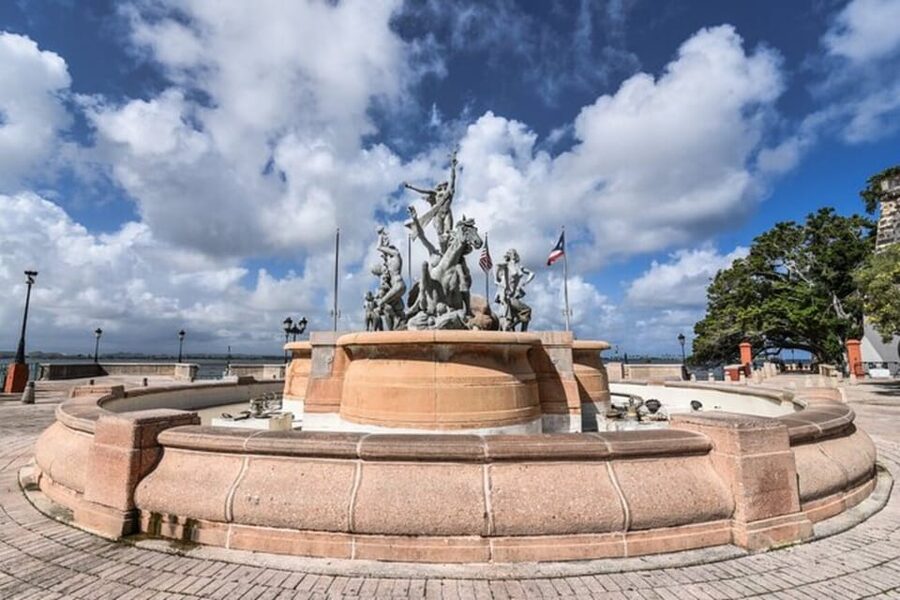
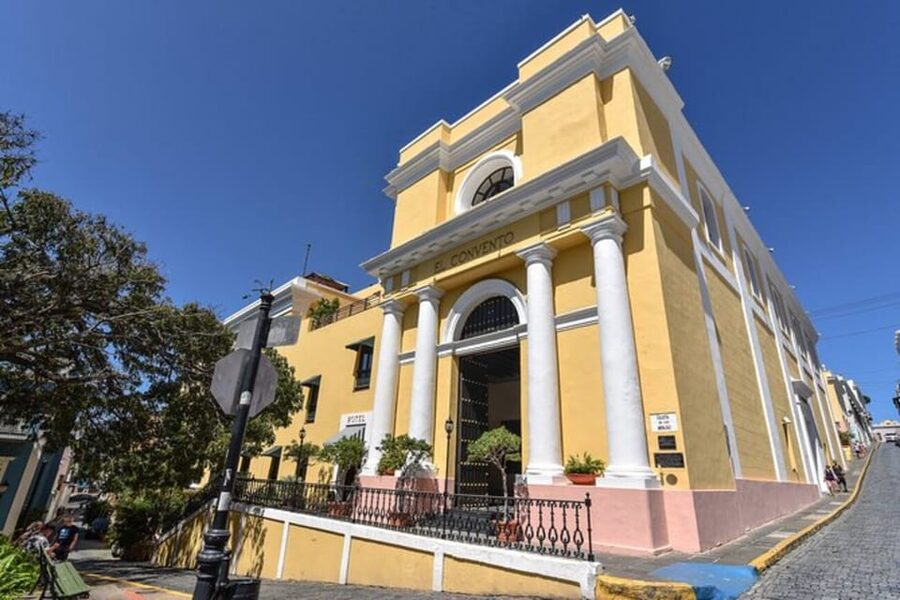
Your tour ends at Hotel El Convento, adjacent to shops and restaurants. This is a strong ending point because it supports what you are likely to do next: keep exploring without planning a new route.
It also helps you avoid the common “tour hangover” problem where you finish somewhere inconvenient. Here, you finish somewhere central, with plenty of options for a meal after you’re done listening and walking.
If you are the type who likes to continue at your own pace, ending near the shopping and dining zone makes that easy.
What the Included Fort Ticket Means for Value
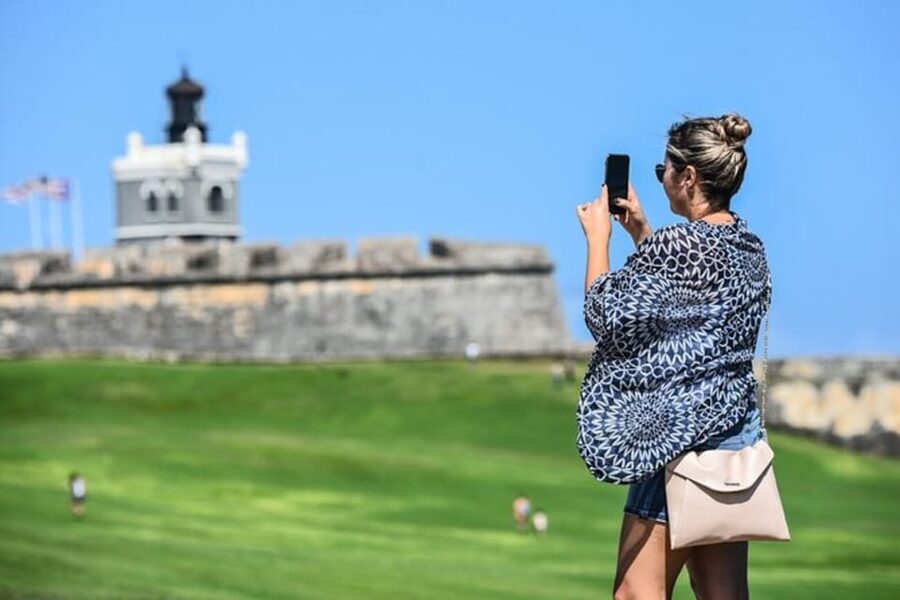
The price is $65 per person, and the fort entrance fee to one fort is included: Castillo San Felipe del Morro or San Cristobal.
That included entry matters because forts are usually ticketed. So in practical terms, you are paying for two things at once:
- a guided route that threads key sights together
- access to a fort you would otherwise need to ticket yourself
You also get a professional historian guide, and the group stays small, max 12 attendees. Small groups typically mean less waiting around and more chances to ask questions when something clicks for you.
At 2 hours, it is also a good value for travelers who do not want to commit to a longer half-day schedule. You can fit this into a busy itinerary and still have time to wander the streets yourself afterward.
Walking Comfort Checklist for Old San Juan
This is not a sit-and-learn tour. You are moving the whole time. One review called out lots of walking, including stairs and hills, and another flagged hot conditions, which matches what you should plan for.
Here is what you should bring, plain and simple:
- Comfortable shoes with good grip
- Sunscreen
- Water
- Comfortable clothes
Also plan for real weather. If it is sunny, you will feel it. If you get dehydrated, you will pay for it fast on cobblestones and steps.
If you have any mobility limitations, double-check your fit. The tour is not suitable for people with mobility impairments or wheelchair users.
Who Should Book This Tour, and Who Might Skip It
This tour is a great match if you want:
- a tight overview of Old San Juan’s major landmarks in a short time
- a guide who can connect colonial influence to what you are physically seeing
- a structured walk that prevents you from getting lost in the maze
It is also a smart choice for first-timers. You leave with a mental map and a sense of where the city’s key institutions sit.
You might skip it if:
- you cannot handle stairs, hills, and uneven cobblestones
- you are looking for a low-effort, mostly-flat experience
- you want a very long, slow tour with lots of sitting time
Should You Book This San Juan Walking Tour?
Yes, if you want a compact, guided way to understand Old San Juan without spending your whole day “figuring it out.” The biggest reasons to book are the professional historian guide, the fact that the route is built around high-impact sights, and the included fort entrance fee for one fort.
If you are the kind of traveler who loves a good story behind what you see, this is your style. And if you follow simple comfort rules, comfortable shoes, water, sunscreen, you will enjoy the walk instead of fighting it.
If you are not comfortable with walking and stairs, or you need wheelchair-friendly access, then look for a different format.
FAQ
What is the duration of the San Juan walking tour?
The tour lasts about 2 hours.
How much does the tour cost?
It costs $65 per person.
What does the tour include?
You get a professional historian tour guide and the entrance fee to one fort, either Castillo San Felipe del Morro or San Cristobal.
What should I bring?
Bring comfortable shoes, sunscreen, water, and comfortable clothes.
Where is the meeting point and when does the tour start?
Your guide meets you by the plaza located at the Banco Popular Building at 9:00 AM, unless the time is confirmed differently.
Is the tour suitable for people with mobility impairments?
No. The tour is not suitable for people with mobility impairments or wheelchair users.
Walking Tours, compared.
 ★ 5.0Old San Juan Walking TourFrom $392,211 reviews
 ★ 5.0Old San Juan City Walking TourFrom $391,718 reviews
 ★ 4.7San Juan: Old Town Sunset Walking TourFrom $39636 reviews
 ★ 5.0Historic Old San Juan Sunset Walking TourFrom $39634 reviews
 ★ 5.0Savor the Sunset: Old San Juan Walking Food TourFrom $179559 reviews
 ★ 5.0Old San Juan and El Morro Castle Walking TourFrom $54480 reviews
 ★ 4.5Old San Juan Historical Walk, Shopping, and Dining w/ TransportFrom $34381 reviews
 ★ 5.0Old San Juan Historical Walking TourFrom $46331 reviews
Browse the lists this tour appears in